
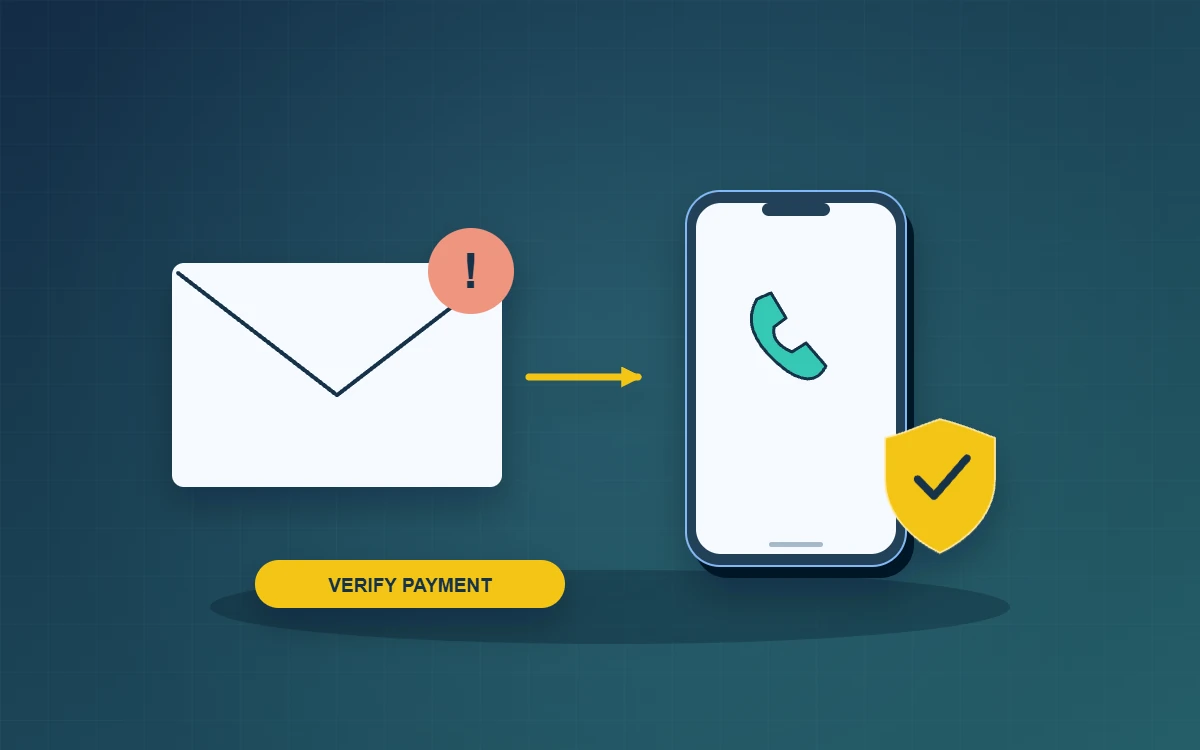
Business email compromise checks should verify a proposed bank change through established contact details and require a separate authorised payment approval. If a suspicious payment has already been sent, follow the escalation procedure and contact the bank promptly. Suppose a familiar supplier sends new bank details on Friday afternoon. The invoice number and amount agree with your records. Finance can continue checking whether the company owes the money while opening a separate case for the proposed change of payee. Someone who knows the invoice details may still lack authority to redirect that payment.
Build business email compromise checks into payment approval
Flag the invoice in the payment run and tell the approver which transfer to hold. Check for scheduled instructions that have not yet been released. Save the original correspondence in the approved case location and record the amount, receipt time and next banking deadline. The rest of the payment run can proceed under its usual controls.
Call a contact already on file
Use a telephone number verified before the request arrived, such as the one on the signed contract or approved supplier record. Ask to speak to the person authorised to change payment instructions. Have them explain when the change takes effect and which invoices it covers. A new number in an attachment belongs to the same unverified request.
- Check the legal payee, currency and affected invoices against the agreement.
- Confirm the bank details using your approved procedure and store full account numbers only in the controlled payee system.
- Log the channel, verifier, date and reviewer while limiting circulation of sensitive details.
Separate payee maintenance from payment release
Have one person enter the proposed change and another compare the old and new instructions with the callback record. In a small business, the owner or a designated deputy may perform the second review. Give the approver the actual deadline and the consequence of delay. Urgency should inform the business decision without shortening the verification process.
Act promptly if the transfer has already been sent
Contact the bank through a known channel immediately. Give the transaction reference, time, amount and payee details, and ask what recovery steps are available. Assign someone to contact the supplier and appropriate law enforcement, preserve evidence and record reference numbers. Record the next follow-up time without promising that the funds can be recovered.
Close the verification case even when the supplier made an innocent mistake. Record which instruction was withdrawn, which invoice remains payable and where the approved payee entry can be found. A different colleague compiling next month’s payment run should be able to reach the same conclusion from the record without interpreting a long email exchange.
Is a reply in the existing email thread enough?
Use an independent channel. A reply shows that someone can participate in the conversation; it does not confirm their authority.
What if the supplier contact is on leave?
Check the agreement for an authorised deputy. If none can be verified, maintain the hold and inform the purchasing manager.
How can staff practise?
Use a fictional invoice to practise the callback and record how long the handover takes. Keep real transfers outside the exercise.